
Ads in ChatGPT, how they work and what your brand can do
ChatGPT now shows advertising to its free users, and since August 24 the program runs across 31 European countries. At Bee LLM we have been capturing real ads inside its answers since July, and OpenAI has just published its full advertiser documentation. Here is what we know: who sees them, how they are bought, which signals the auction weighs, and what our own data shows.
The ad test started in the United States on February 9, 2026, after a closed pilot with advertisers between February and April. Six months later OpenAI says tens of thousands of advertisers have used the platform, self-serve signup is open in nine countries, and Europe joined on August 24. What follows comes from OpenAI's official documentation and from the ads our system captures every day inside ChatGPT answers.
Who sees the ads and who does not
Only users on the Free and Go plans see advertising. Plus, Pro, Business, Enterprise and Edu accounts are excluded, and so are accounts identified as belonging to users under 18. To detect minors OpenAI does not rely on declared age alone: it uses age prediction built on behavioral signals such as account age, usage hours and conversation topics.
There are three more places where ads never appear: temporary chats, the Atlas browser during the test, and sensitive or regulated topics. OpenAI says it does not place ads near conversations about personal health, mental health or politics, and political advertising is not allowed at all.
One detail almost nobody mentions: Free users can choose an ad-free experience in exchange for fewer daily messages and no access to tools like image generation. OpenAI frames the trade openly, ads buy you more free access.
Where the ad shows and what it contains
The ad appears below the ChatGPT answer, visually separated and labeled as sponsored. Each unit carries the advertiser name, favicon, headline, description, landing page and an image. A block can hold one or several ads, even from different advertisers.
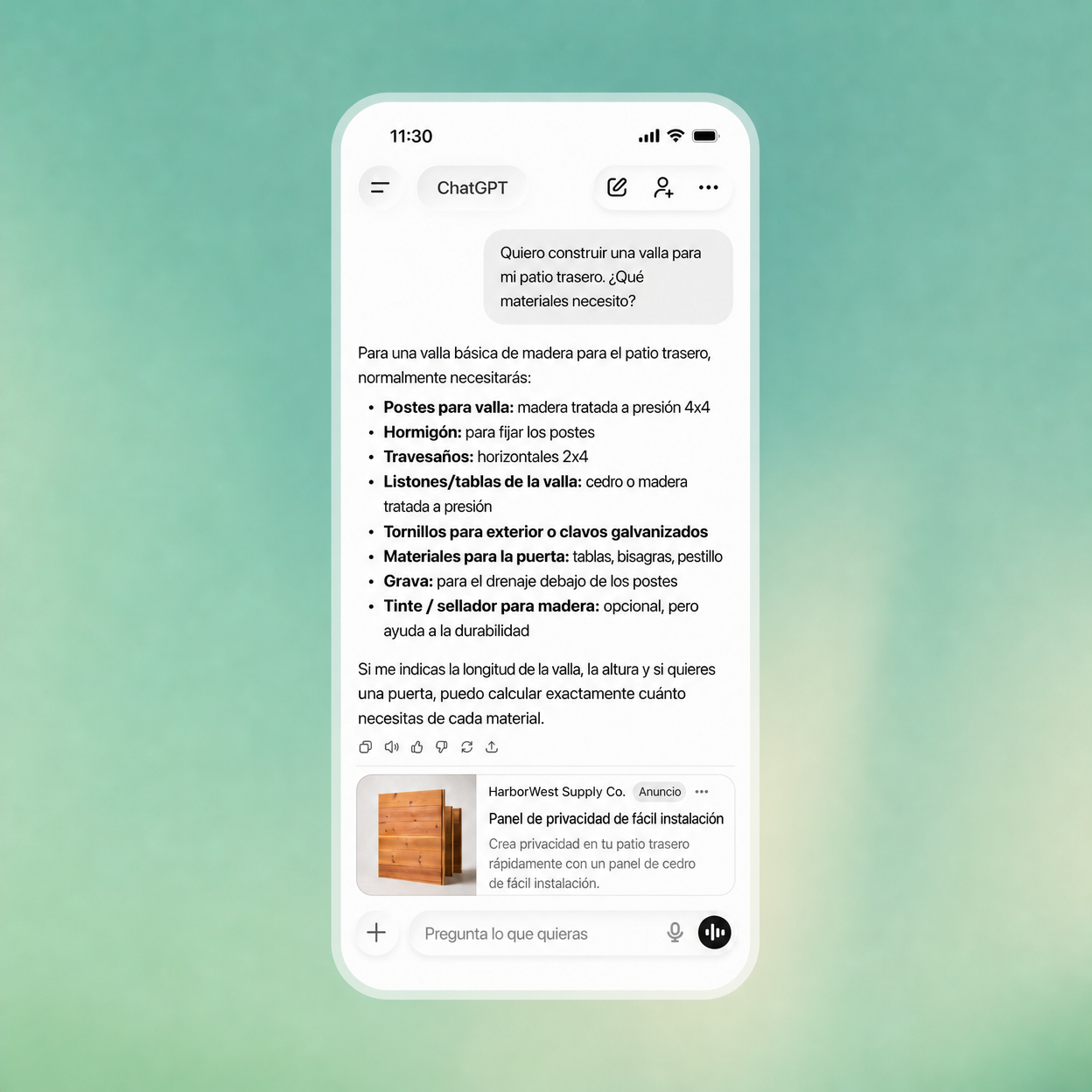
OpenAI also publishes the creative specs: aim for headlines around 16 characters, descriptions around 32, and avoid using your logo as the primary visual. It asks for clearly differentiated variants per offer, because the more distinct angles you give the system, the more conversations it finds where your ad fits.
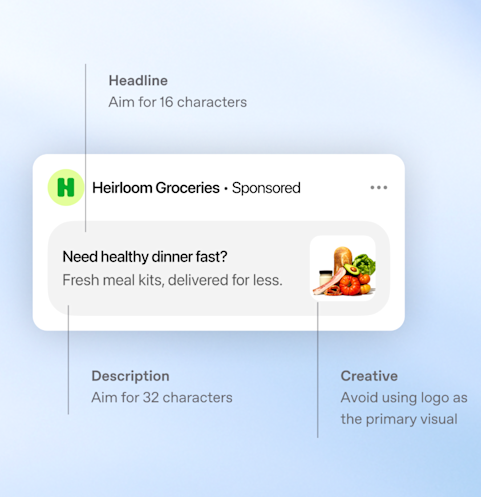
In the ads we capture we have seen four format variants, all serving the creative from OpenAI's CDN. Users get a menu to hide the ad, report it, see why they are being shown it, or share it with ChatGPT to ask questions about it. And there is one piece with real potential: an ad can open a direct conversation with the advertiser, who only sees the messages the user sends them.
How targeting works without keywords
Here is the big difference with Google Ads. Instead of bidding on keywords, advertisers write context hints at the ad group level: natural sentences describing what they offer, who it helps and when it is useful. OpenAI's own example says it best: instead of "running shoes", write "cushioned shoes for beginners training daily for their first 5K".
The system reads the intent of the whole conversation. Nobody needs to type "best CRM" for a CRM to be relevant, ten messages spent organizing a small company's sales follow-up will do. And OpenAI is clear about the limits: hints are not exact match, not audience rules, and no guarantee of showing up in specific conversations.
To pick which ad runs, the auction weighs the context and intent of the current thread, the landing page, the headline and copy, the advertiser's hints, the bid and the predicted performance. If the user has personalization on, it also uses signals from the rest of their ChatGPT experience, including past chats and memory. In the EEA and Switzerland that personalization is off at launch: only the current thread counts.
How you buy and what it costs
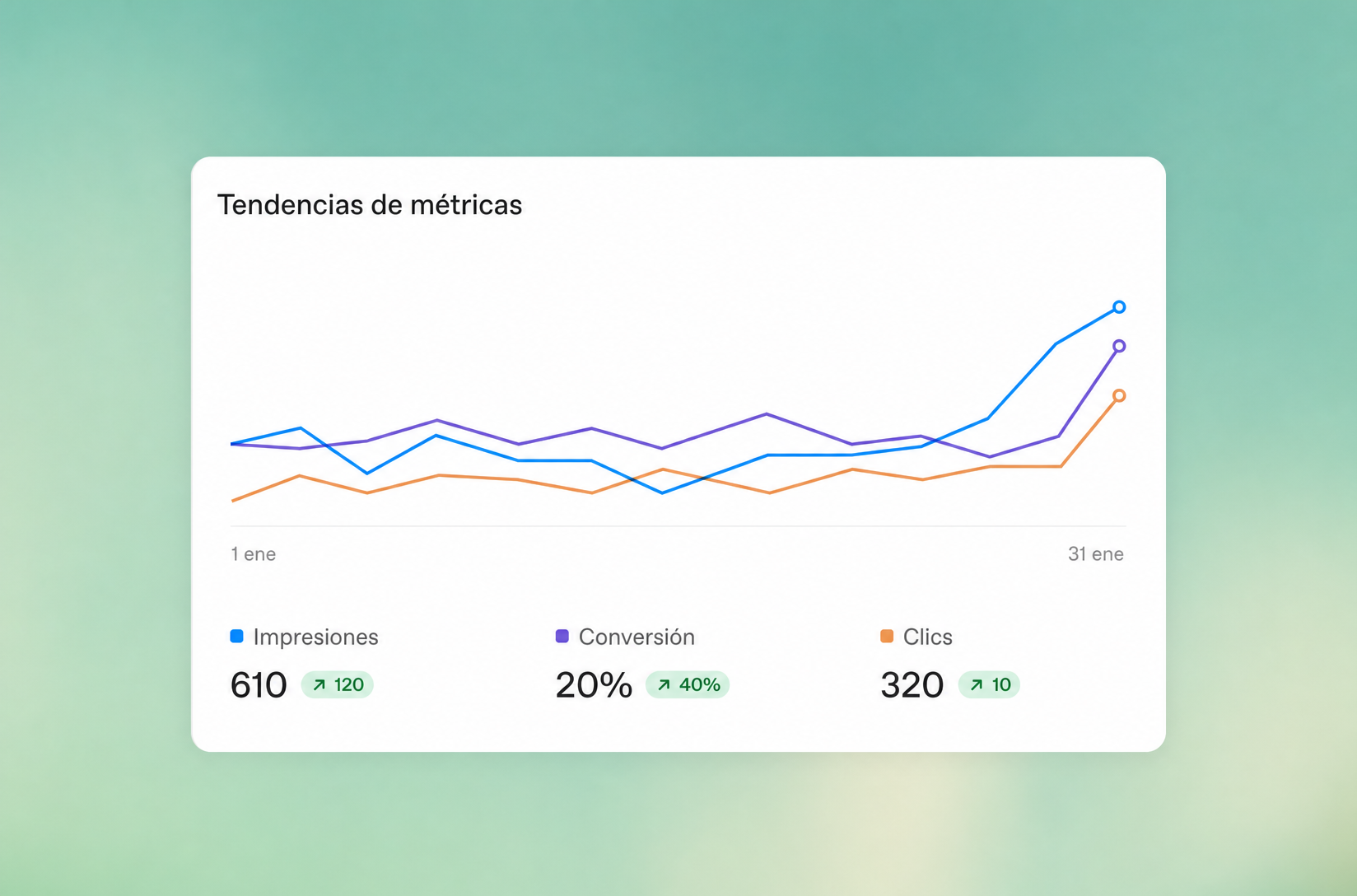
The beta Ads Manager reports impressions, clicks, spend, CTR, average CPC, average CPM and conversions. For measurement there is a pixel, a conversions API, third-party measurement partners (including mobile MMPs) and UTM parameters preserved on click. There are also custom audiences, geographic and device targeting, and campaigns built from product feeds.
What does not exist yet is performance benchmarks. OpenAI admits it plainly: there are no CPA or conversion rate references by industry. Whoever enters now enters to learn.
A technical requirement many will miss
- Your ad's landing page must not block OpenAI's crawlers, specifically OAI-AdsBot and OAI-SearchBot.
- The system reads your landing page to judge ad relevance. If your robots.txt or your CDN blocks those bots, delivery suffers or the ad does not serve.
- Many sites blocked AI bots back in 2024 and 2025 and forgot about it. Check before launching your first campaign.
Can you pick which days the ad runs
Not yet. Ads Manager lets you set a campaign start and end date (or run continuously) and pause whenever you want, but there is no scheduler by day of week or time slot like Google Ads has. Agencies already running the platform solve it by hand: pause on Friday, resume on Monday. Given how fast OpenAI is shipping features into the beta, it will probably arrive, but today it does not exist.
One nuance partly makes up for it: the system already does implicit time targeting, because your ad only serves when a relevant conversation happens. And conversations follow a very marked pattern. Look at chatgpt.com's daily visits:
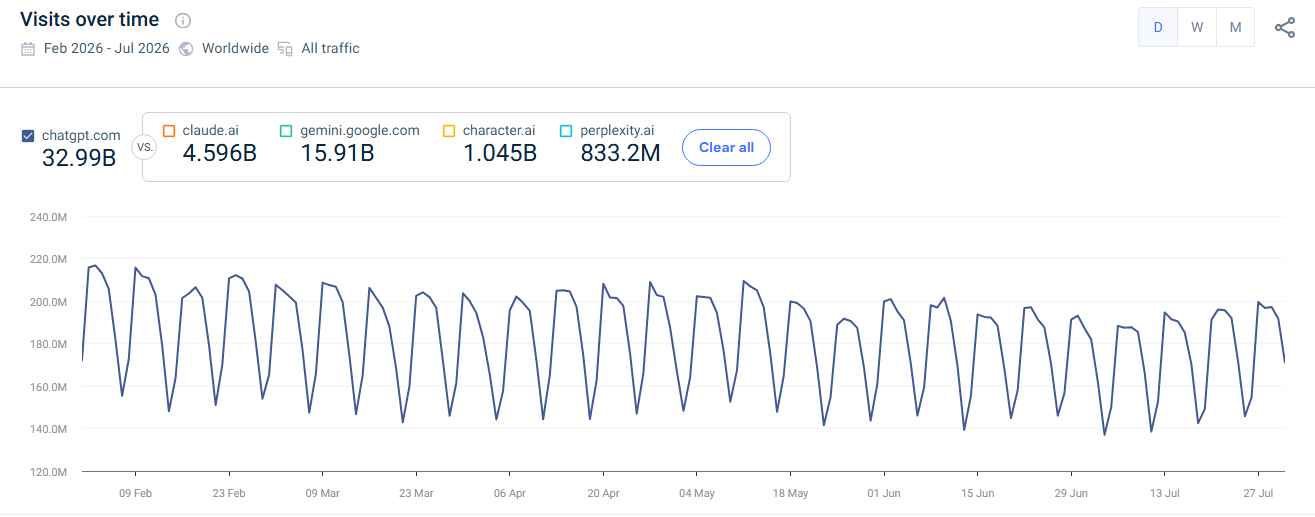
The sawtooth is the work calendar: ChatGPT is above all a work tool, peaking at 200 to 220 million daily visits on weekdays and dropping about 30% every Saturday and Sunday. For a B2B advertiser that is good news, because the budget spends itself where the audience is. For a weekend-driven B2C, it is the reason to watch spend by day in the reports and pause by hand until the scheduler exists.
What we found in the real ads
Bee LLM monitors ChatGPT answers exactly as a web user sees them, so the ads land in our capture from day one. Between July 24 and August 23 we logged 124 answers carrying advertising, all from queries run in the United States. None from Spain, the UK or Portugal, which matches the official rollout at the time.
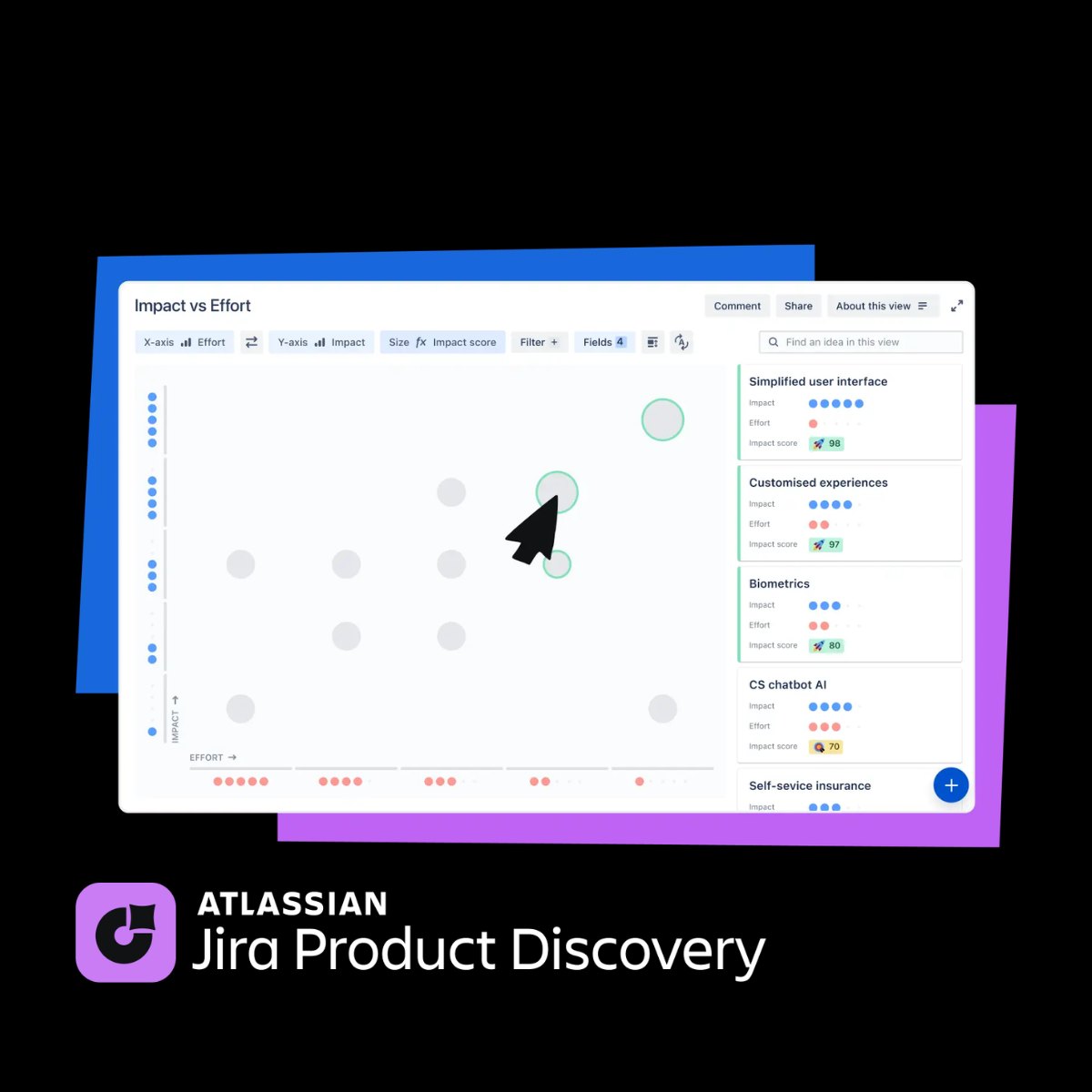
Among the real advertisers in our captures are software brands like Atlassian, Veeam, Sage, SailPoint and ZoomInfo, plus agencies and tools from the AI visibility space itself. The race to appear in software buying conversations has already started.
That work taught us something important for anyone measuring their brand in ChatGPT: the ad comes embedded in the answer text. If your monitoring tool does not strip it out, it will count the advertiser as a brand the AI recommends. It happened to us, we caught it and fixed it: an unknown advertiser showed up in a client's visibility ranking just because it paid. Since then we separate every ad, store its creative and show it apart in the AI Ads view of the panel, so the organic data stays clean and clients also see who is paying to appear in their conversations.
Can you pay to appear inside the answer
No. It is the question we get most and OpenAI's answer is blunt: ads run on a system separate from the model and an advertiser cannot pay to influence, order or modify the organic answer. Seeing an ad does not mean OpenAI endorses the product either.
That makes the board clear. To be in the answer, where the opinion actually forms, there is still no paid shortcut: the models need to know your brand and cite it. That is why half of small brands never appear in AI answers, ad budget or not. The ad buys presence below the answer; the mention inside it has to be earned.
And Europe joined on August 24
OpenAI announced the European expansion on August 18: since August 24, ChatGPT Ads runs in 31 European countries, including Spain, Germany, France, Italy, Sweden, Norway, Denmark, the Netherlands and Austria. With nuances.
| How you get in | Status |
|---|---|
| Self-serve through Ads Manager | United States, United Kingdom, Canada, Australia, New Zealand, Brazil, Mexico, Japan and Korea. Coming to Europe later this quarter. |
| OpenAI's Ad Solutions team, partner agencies and technology partners | The entry path for the 31 European markets since August 24. |
And remember the European caveat: in the EEA and Switzerland ads will not be personalized at launch, they rely only on the context of the current thread.
What the official docs leave out
OpenAI publishes no benchmarks, but third parties have already measured the channel. With the caveat that this market is months old, here are the numbers going around.
CTR is low, conversion is high. Similarweb's May 2026 analysis puts the average CTR of ChatGPT ads at 0.68%, with the top quartile around 1% and the best brands at 1.57%. Far from Google Search's 6.6% or Meta's 1.7%. The flip side: agency studies place conversion rates between 4% and 7% in commercial verticals, above the 2% to 4% typical of Google Search. And Criteo measured that visits referred from LLM platforms convert 1.5 times more than other digital channels and spend 60% to 80% more time on site than social traffic. Few clicks, but very warm ones: the visitor arrives half-decided because the conversation already did the filtering.
The business is moving faster than expected and slower than promised. The pilot reached 100 million dollars in annualized revenue in under six weeks. But the leaked internal projections (around 2.5 billion in 2026 and up to 100 billion by 2030) collide with eMarketer's estimates, which put the entire chatbot advertising market (ChatGPT, Copilot, Gemini and the rest combined) below 1 billion this year and 5.5 billion in 2030. If eMarketer is right, OpenAI would miss its own target by 90%.
ChatGPT's share is not what it was. Similarweb's tracker dates the slide: in January 2025 ChatGPT held 86.7% of web visits to generative AI chatbots; by January 2026 it stood at 64.5%, and the June 2026 update put it at 52.7%. On the other side, Gemini went from 5.7% to 27.3% (its visits grew 450% year over year, from 528 million to 2.9 billion a month) and Claude climbed from 1.6% to 8.9%, the largest proportional gain in the market. ChatGPT still doubles the runner-up, but it has shed more than 20 points in a year. For advertisers it is a reminder that ChatGPT is the first channel of its kind, not the only one, and for brands measuring organic visibility, the reason to watch several engines at once.
External sources: Similarweb, eMarketer, Adweek, Lapis and SureThing. Third-party figures, not confirmed by OpenAI.
Every official OpenAI question, in short
OpenAI keeps two FAQ lists, one for users and one for advertisers. Here is all of it, condensed.
For users
Why is OpenAI putting ads in ChatGPT? To fund the Free and Go plans and expand free access without changing how the product works.
Since when are there ads? The test started in the US on February 9, 2026 and expanded in phases until reaching Europe on August 24.
Who sees them? Free and Go users over 18. Logged-out sessions only get all-audiences ads.
Do paid plans see them? No. Plus, Pro, Business, Enterprise and Edu carry no advertising.
Do they influence answers? No. They run on a system separate from the model and advertisers cannot touch the organic answer.
Where do they show? Below the answer, labeled and separated. Not in the Atlas browser during the test.
How many at once? One or several blocks, with one or several ads from one or several advertisers. Long conversations get moderated for user experience.
Do advertisers see my conversations? No. They only get aggregated performance data. If you message an advertiser from an ad, they only see those messages.
What controls do I have? Settings, Ad controls: turn personalization off, hide and report ads, see why one was shown, and delete your ad data.
Does it use my memories and past chats? Only with personalization on. In the EEA and Switzerland it is off at launch: only the current thread counts.
Does interacting with an ad touch my memory? No. Seeing, clicking, hiding or reporting an ad is never saved to ChatGPT's memory.
Do ads show in delicate chats? No. Never near personal health, mental health or politics. Political advertising is banned.
What about regulated industries like health or finance? They can advertise under strict eligibility rules, but never next to sensitive conversations.
Do minors see ads? No. OpenAI combines declared age with age prediction from usage signals.
And in temporary chats? No ads.
Can I avoid ads entirely? Yes: move to Plus or Pro, or pick the ad-free Free option, which trims daily messages and tools like image generation.
Can I ask ChatGPT about an ad? Yes, with the Ask ChatGPT option in the ad menu. By default ChatGPT cannot see the ads you are shown.
How long is my ad data kept? If you delete it, it stops being used immediately and leaves the servers within 30 days.
For advertisers
What stage is the platform at? Beta. There was a pilot from February to April and self-serve signup is now open in supported countries.
Where can I advertise from? Self-serve in the US, UK, Canada, Australia, New Zealand, Brazil, Mexico, Japan and Korea. In the 31 European countries, through OpenAI's team and partner agencies for now; self-serve arrives this quarter.
What performance should I expect? OpenAI gives no references yet: there are no CPA or conversion benchmarks by industry.
How do I increase delivery? More clearly differentiated ad variants, descriptive context hints, and a relevant landing page accessible to OAI-AdsBot and OAI-SearchBot.
Why is my ad not serving? Check review status, account verification, budget, campaign end date and billing. The ad status in Ads Manager tells you.
How should I budget during the beta? Spread spend by priority and leave room for campaigns to generate signal before cutting.
Where do I get help? The OpenAI help center, or ads-support@openai.com.
What to do today if you run a brand
Three concrete things. One: check that your site does not block OAI-SearchBot or OAI-AdsBot, because it affects both organic citations and future ads. Two: start thinking of your catalog in usage situations rather than keywords, because that is how context hints are written and also how the model reasons when it decides which brands to mention. Three: measure your organic visibility in ChatGPT before the paid layer matures, because the ad does not replace it and whoever arrives with the mention already earned starts ahead.
If you want to see what ChatGPT says about your brand and which advertisers are already paying to appear in your industry's conversations, Bee LLM shows both in the same panel, AI Ads view included.